
Responsive Menu
Add more content here...

The latest and greatest

GlucoTrust Review 2025 promotional image showing a white and blue supplement bottle with benefits like sleep support, energy boost, and healthy blood sugar control, alongside a "Learn More" button

GlucoTrust Review |2025|Does It Really Support Healthy Blood Sugar?

Introduction GlucoTrust is a natural dietary supplement designed to help maintain healthy blood sugar levels while supporting overall wellness. Packed with powerful ingredients that promote balanced glucose levels, improved metabolism, and better sleep quality, GlucoTrust has gained attention among those looking for an effective and safe way to manage their health. In this review, we’ll explore what GlucoTrust is, how it works, its ingredients, benefits, and whether it’s the right choice for you. What is GlucoTrust? GlucoTrust is a premium dietary supplement formulated to help support healthy blood sugar levels naturally. Designed for individuals who want a safe and effective way to maintain glucose balance, GlucoTrust combines a blend of plant-based extracts, vitamins, and minerals known for their positive effects on metabolic health. Unlike many synthetic options, GlucoTrust focuses on improving your body’s natural ability to process glucose, reduce sugar cravings, and promote better sleep — an often-overlooked factor in blood sugar control. By taking it regularly, users may experience improved energy levels, balanced appetite, and better overall wellness. The formula is non-GMO, made in FDA-approved facilities, and free from harmful chemicals, making it a safe choice for long-term use. Key features of GlucoTrust include: How Does GlucoTrust Work? GlucoTrust works by using a carefully formulated blend of natural ingredients to support healthy blood sugar levels, improve circulation, and promote better sleep — all of which are crucial for optimal metabolic health. The supplement targets the root causes of blood sugar imbalances rather than just masking the symptoms, helping users experience long-term benefits. The formula contains ingredients like Gymnema Sylvestre, which helps reduce sugar cravings; Biotin, which aids in converting food into energy; and Chromium, which supports the body’s ability to metabolize carbohydrates effectively. In addition, GlucoTrust is enriched with antioxidants and anti-inflammatory compounds that help improve insulin sensitivity and protect the body from oxidative stress. Another unique aspect of GlucoTrust is its ability to promote deep, restorative sleep. Poor sleep can trigger cortisol spikes, which may lead to unstable blood sugar levels. By enhancing sleep quality, GlucoTrust ensures the body has the best chance to repair itself, regulate hormones, and maintain balanced glucose levels naturally. GlucoTrust Ingredients & Their Benefits GlucoTrust is formulated with a carefully selected blend of natural ingredients, each chosen for its proven ability to support healthy blood sugar levels, improve circulation, and promote better sleep quality. By combining herbal extracts, vitamins, and minerals, GlucoTrust offers a holistic approach to managing glucose levels naturally. Key Ingredients and Their Benefits: Why This Formula Works:Each ingredient in GlucoTrust is designed to complement the others, ensuring maximum absorption and effectiveness. Together, they help maintain healthy blood sugar levels, reduce cravings, and promote better sleep — all of which are essential for long-term metabolic health. Key Benefits of GlucoTrust GlucoTrust offers a range of health benefits, especially for those looking to support balanced blood sugar levels naturally. Formulated with a blend of vitamins, minerals, and herbal extracts, this supplement not only targets blood sugar regulation but also promotes overall well-being. 1. Supports Healthy Blood Sugar LevelsThe primary benefit of GlucoTrust is its ability to help maintain blood sugar within a healthy range. Its natural ingredients work together to improve insulin sensitivity and glucose metabolism, making it easier for your body to manage sugar effectively. 2. Enhances Insulin FunctionBy supporting pancreatic health and optimizing insulin function, GlucoTrust helps the body process glucose more efficiently, reducing the risk of harmful sugar spikes and crashes. 3. Promotes Better Sleep QualityGlucoTrust contains ingredients that aid in relaxation and promote deep, restful sleep. Quality sleep is essential for regulating hormones, including those responsible for controlling blood sugar levels. 4. Aids in Weight ManagementBalanced blood sugar reduces unnecessary hunger cravings, making it easier to manage calorie intake and support healthy weight loss. 5. Supports Cardiovascular HealthSome GlucoTrust ingredients, such as cinnamon bark, are linked to improved circulation, reduced bad cholesterol, and better overall heart health. 6. Boosts Energy and VitalityBy keeping blood sugar levels stable, GlucoTrust helps prevent energy crashes, allowing you to feel more energetic throughout the day. Who Should Use GlucoTrust? GlucoTrust is designed for individuals who want to naturally support healthy blood sugar levels while also improving overall wellness. Whether you’re managing mild fluctuations or looking to enhance your metabolic health, GlucoTrust can be a beneficial addition to your daily routine. This supplement is especially suitable for: It’s important to note that GlucoTrust is not a substitute for prescribed medications. People with diabetes, pregnant or breastfeeding women, or anyone with underlying medical conditions should consult a healthcare provider before use. How to Use GlucoTrust for Best Results To get the maximum benefits from GlucoTrust, it’s important to follow the recommended usage guidelines consistently. GlucoTrust is designed to be simple and convenient to use, making it easy to fit into your daily routine. Recommended Usage Additional Tips for Best Results GlucoTrust Before and After Results When evaluating any supplement, seeing the difference it can make is essential — and with GlucoTrust, the results speak for themselves. Many users have reported noticeable improvements in their blood sugar control, energy levels, and overall well-being within weeks of consistent use. Before Using GlucoTrust:Individuals often struggle with unstable blood sugar levels, frequent energy crashes, poor sleep quality, and sugar cravings. Daily life may feel like a cycle of fatigue, irritability, and difficulty maintaining healthy habits. After Using GlucoTrust:With regular use, many customers experience more stable blood sugar levels, reduced hunger spikes, improved sleep, and better energy throughout the day. Some also report additional benefits like gradual weight management and improved mood — all contributing to a healthier lifestyle. Why the Results Matter:The combination of powerful, natural ingredients in GlucoTrust doesn’t just address symptoms — it supports the body’s natural processes to improve blood sugar regulation while promoting overall health. This makes the before-and-after transformation more than just cosmetic; it’s a deeper shift in health and quality of life. GlucoTrust Customer Reviews & Testimonials When it comes to choosing a supplement, real customer experiences can often be the

Read More »
Smiling man holding a bottle of ProvaDent dietary supplement with a "Top Choice for Oral Health" badge, alongside bold text reading "Provident Product" and a "Learn More" call-to-action.

ProvaDent Review |2025|Benefits, Ingredients, Pricing & Real Results

What is ProvaDent? ProvaDent is an advanced oral probiotic supplement specially formulated to promote overall dental health. It works by introducing beneficial bacteria into your mouth, helping to restore a healthy oral microbiome. This balance supports stronger teeth, healthier gums, and fresher breath — all from the inside out. Unlike regular toothpaste or mouthwash that only work on the surface, ProvaDent targets the root cause of many oral problems: an imbalance in oral bacteria. Each tablet contains carefully selected probiotic strains that are safe, natural, and backed by scientific research. By improving the bacterial environment in your mouth, ProvaDent helps protect against plaque buildup, gum sensitivity, bad breath, and more. With consistent use, ProvaDent not only boosts oral hygiene but also supports your confidence, so you can smile without hesitation. How Does ProvaDent Work for Oral Health? ProvaDent works by restoring and maintaining a healthy balance of good bacteria in your mouth, known as the oral microbiome. A balanced microbiome is essential for protecting teeth and gums, reducing harmful bacteria, and keeping your breath fresh. When you take a ProvaDent tablet, the probiotic strains go to work by: The result? A cleaner mouth, healthier gums, fresher breath, and a confident smile — achieved naturally from within. ProvaDent Ingredients & Their Functions. ProvaDent is made with a blend of carefully selected probiotic strains and supporting ingredients that work together to improve oral health from within. Each component is chosen for its proven ability to target common dental concerns while supporting overall mouth wellness. While the exact proprietary formula may vary, ProvaDent typically includes: Together, these ingredients work to restore the natural balance of good bacteria, reduce gum sensitivity, protect against cavities, and keep your breath fresh all day. Who Should Use ProvaDent? ProvaDent is designed for anyone who wants to improve their oral health naturally and maintain a fresh, confident smile. Whether you’re dealing with specific dental issues or just want to boost your daily oral hygiene routine, this advanced probiotic supplement can be a great addition to your wellness plan. You should consider using ProvaDent if you: ProvaDent is suitable for adults of all ages and can be used alongside your regular dental care routine for better results. However, anyone with existing medical conditions or concerns should consult their dentist or healthcare provider before starting. How to Take ProvaDent for Best Results. To get the most out of ProvaDent, it’s important to take it consistently and follow the recommended usage guidelines. ProvaDent is formulated as a convenient oral probiotic tablet, making it easy to fit into your daily routine. Recommended Usage: Extra Tips for Maximum Effectiveness: By following these steps, you can enhance the benefits of ProvaDent and enjoy healthier teeth, stronger gums, and fresher breath every day. ProvaDent Customer Reviews & Real-Life Results. One of the strongest indicators of ProvaDent’s effectiveness is the feedback from real users who have experienced noticeable improvements in their oral health. From fresher breath to stronger gums, customers across the country are sharing positive stories about how ProvaDent has transformed their dental routine. Real User Experiences • Liam Smith – Miami, FL “I don’t leave home without a bottle of ProvaDent. Not only has it improved the health of my teeth and gums, but it’s also given me newfound confidence in my smile. My wife even compliments me on my fresh breath now!” – Purchased 6 Bottles • Ethan Caldwell – Miami, FL “I’ve always struggled with sensitive gums, but since I started using ProvaDent, my gums feel firmer and pain-free. Plus, no more embarrassing morning breath.” – Purchased 3 Bottles • Kelly Thompson – San Jose, CA “The taste is amazing, and my mouth feels so much cleaner. My dentist was surprised at how healthy my teeth and gums were during my last visit.” – Purchased 6 Bottles • Ava C. – Atlanta, GA “When you try ProvaDent, you’ll feel the difference immediately. It has completely elevated my dental care routine.” – Purchased 3 Bottles • Daniel R. – Raleigh, NC “ProvaDent helps keep my breath fresh and gives me the confidence to smile more. It’s a great choice for oral care.” – Purchased 6 Bottles • Olivia P. – Orlando, FL “If you want to feel good about making oral health a priority, I definitely recommend checking out ProvaDent.” – Purchased 6 Bottles Common Results Reported by Customers • Fresher breath that lasts throughout the day • Reduced gum sensitivity and bleeding • Noticeably cleaner and stronger teeth • Increased confidence when smiling or speaking • Improved dental checkup results These testimonials reflect real-world success stories, showing that ProvaDent is more than just a supplement — it’s a confidence booster and a long-term oral health partner. ProvaDent Before and After – What to Expect. When you start taking ProvaDent, changes in your oral health can happen gradually but noticeably over time. This advanced oral probiotic works from the inside out, so results are both effective and long-lasting. Before Taking ProvaDent Many people experience: After Consistent Use of ProvaDent (typically within 2–8 weeks) Realistic Timeline for Results ProvaDent is not a quick fix — it’s a long-term solution for anyone who wants to maintain oral health naturally. Consistency is key to seeing the best before-and-after results. ProvaDent Pros and Cons. Like any health supplement, ProvaDent comes with its strengths and a few considerations. Understanding both will help you decide if it’s the right choice for your oral health goals. Pros Cons Bottom line: The pros of ProvaDent clearly outweigh the cons, especially for those committed to improving their oral health naturally and consistently. ProvaDent Pricing & Package Options ProvaDent is available in different package options to suit your budget and health goals. Whether you want to try it for a month or stock up for long-term use, there’s a plan that works for you. Available Packages: Why Choose Multi-Bottle Options? All packages are backed by a 100% 60-day money-back guarantee, so you can try ProvaDent risk-free. ProvaDent Money-Back Guarantee & Refund Policy

Read More »

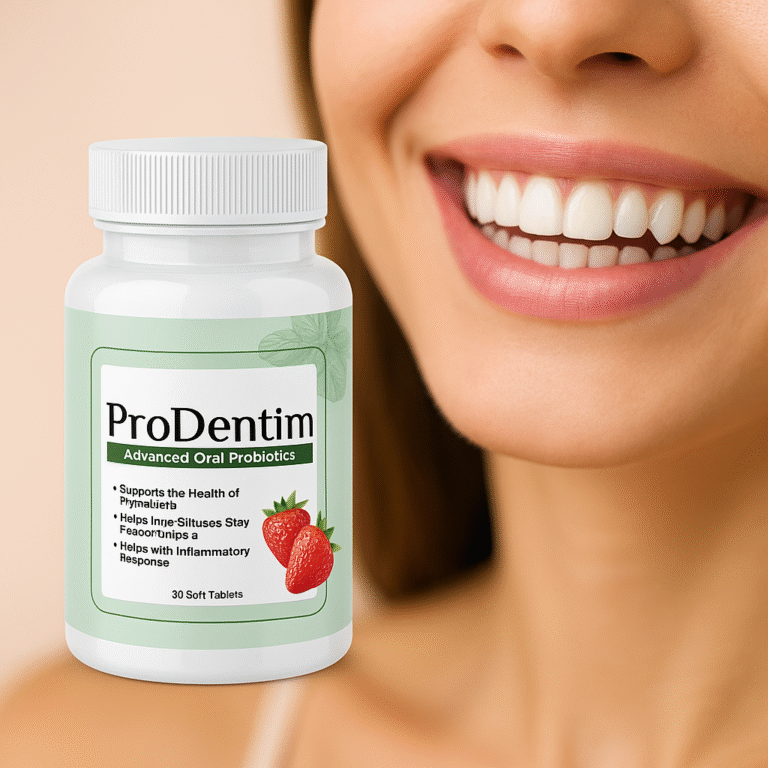
ProDentim Review |2025 |The Best Probiotic for a Healthier, Brighter Smile

Introduction ProDentim is a cutting-edge oral health supplement designed to support strong teeth, healthy gums, and a balanced mouth microbiome. Unlike traditional oral care products that focus only on cleaning the surface, ProDentim works from within to promote long-term dental wellness. Its unique blend of probiotics and natural ingredients is specifically formulated to improve oral hygiene while supporting overall health. Maintaining a healthy smile is not just about brushing and flossing — the balance of good bacteria in your mouth plays a critical role in preventing dental issues like cavities, gum disease, and bad breath. ProDentim addresses this by replenishing your mouth with beneficial probiotics that help keep harmful bacteria in check. Whether you’re struggling with oral health problems or simply want to maintain a radiant smile, ProDentim offers a natural, effective solution backed by science. What is ProDentim? ProDentim is an advanced oral health supplement designed to support strong teeth and healthy gums by using a unique blend of probiotics, plant extracts, and essential nutrients. Unlike traditional toothpaste or mouthwashes that focus only on surface cleaning, ProDentim works from the inside out—restoring the balance of good bacteria in your mouth, which plays a crucial role in preventing cavities, gum disease, bad breath, and other dental issues. This innovative supplement comes in a chewable tablet form, making it easy and enjoyable to take daily. By introducing beneficial bacteria directly into your oral environment, ProDentim helps strengthen enamel, reduce inflammation, and maintain fresh breath naturally. Many dental problems are linked to an imbalance in the mouth’s microbiome. ProDentim addresses this root cause, which makes it stand out from conventional oral care solutions. How Does ProDentim Work? ProDentim works by combining 3.5 billion CFU of probiotic strains with natural ingredients to restore balance in your oral microbiome. Instead of masking bad breath or covering up dental problems like traditional toothpaste and mouthwash, it targets the root cause — the imbalance of good and bad bacteria in the mouth. When taken daily, the probiotic blend in ProDentim helps: ProDentim Key Benefits ProDentim offers a range of oral health benefits by addressing both the cause and symptoms of dental problems. Its unique blend of probiotics and natural ingredients supports not just your teeth, but your gums, breath, and overall oral health. ProDentim Ingredients ProDentim is formulated with a powerful combination of probiotics, plant extracts, and essential nutrients to promote complete oral health. Each ingredient is carefully selected for its scientifically proven benefits. Scientific Evidence & Research ProDentim is not just another oral health supplement—it’s backed by research on probiotics and natural ingredients that support teeth and gum health. Scientific studies have shown that maintaining a balanced oral microbiome is key to preventing cavities, gum disease, and bad breath. By combining these clinically researched ingredients, ProDentim offers a science-backed approach to improving oral health naturally, without relying on harsh chemicals or synthetic additives. How to Use ProDentim Using ProDentim correctly ensures you get the maximum oral health benefits from its probiotic formula. The product is designed for ease of use and fits seamlessly into your daily routine. Recommended Dosage: Take one soft tablet of ProDentim daily. For best results, let the tablet slowly dissolve in your mouth rather than swallowing it whole. This allows the probiotics to be absorbed directly into your oral cavity, where they can work effectively. Best Time to Take: Tips for Best Results: Who Can Use It? ProDentim is suitable for most adults, but if you’re pregnant, nursing, or have medical conditions, consult your doctor before starting. Who Should Use ProDentim? ProDentim is formulated for individuals who want to improve and maintain their oral health naturally. Its unique blend of probiotics, herbs, and minerals makes it beneficial for a wide range of people. You should consider using ProDentim if you: Who Should Avoid It? While ProDentim is generally safe for most adults, the following people should consult a doctor before using it: Why It’s Suitable for Most Adults Because it’s made from natural probiotics and plant-based ingredients, ProDentim offers a gentle yet effective solution for long-term oral care without harsh chemicals. Pros & Cons of ProDentim Before deciding if ProDentim is right for you, it’s important to weigh its advantages and potential drawbacks. Pros of ProDentim Cons of ProDentim Our Takeaway The pros of ProDentim clearly outweigh the cons, especially for those looking for a natural, science-backed oral health solution. While availability and varying results are considerations, the product’s benefits make it a strong choice for most adults. ProDentim vs Traditional Oral Care Solutions When it comes to oral health, most people turn to toothpaste, mouthwash, and routine dental visits. While these traditional oral care solutions are essential, ProDentim takes a completely different approach by targeting the root cause of poor dental health—your oral microbiome. 1. Traditional Oral Care Solutions 2. How ProDentim is Different 3. The Key Advantage of ProDentim While traditional oral care addresses symptoms, ProDentim aims to address the cause—microbial imbalance. This means better long-term oral health with less reliance on chemically-laden products. Why ProDentim is Trending in 2025? In 2025, ProDentim has emerged as one of the most talked-about oral health supplements in the wellness industry. Its popularity is driven by a unique blend of science-backed probiotics, natural ingredients, and a fresh approach to dental care that resonates with health-conscious consumers. 1. Shift Toward Probiotic-Based Oral Care With growing awareness about the importance of a healthy oral microbiome, more people are moving away from harsh chemical-based toothpaste and mouthwash. ProDentim stands out by focusing on restoring and maintaining good bacteria in the mouth, aligning with the latest scientific trends in preventive healthcare. 2. Strong Social Media Presence ProDentim’s rise is fueled by positive customer testimonials, influencer reviews, and viral before-and-after stories on platforms like TikTok, Instagram, and YouTube. This organic buzz has made the product a trending topic among wellness communities. 3. Backed by Scientific Research Consumers are becoming more selective about supplements, preferring products with transparent formulas and proven results. ProDentim highlights peer-reviewed studies and

Read More »

Breath Product Review| The Best Natural Supplement for Fresh Breath in |2025

Introduction to Breath product Maintaining fresh breath isn’t just about confidence—it’s about overall health. Many people struggle with chronic bad breath, oral infections, or breathing issues that can affect daily life. That’s where the Breath Product comes in. The Breath Product is a natural supplement designed to support oral hygiene, freshen breath, and promote healthier breathing. Unlike temporary fixes like chewing gum or mouth sprays, this supplement works from the inside out—targeting the root causes of bad breath and poor respiratory health. This powerful formula combines proven herbs, essential oils, and natural ingredients to detoxify your mouth, cleanse your respiratory system, and boost your overall oral wellness. Whether you’re a smoker, have recurring bad breath, or simply want to upgrade your oral health routine, the Breath Product might be your game-changer. What Is Breath Product and How Does It Work? The Breath Product is a powerful all-natural dietary supplement specially formulated to combat bad breath, support oral hygiene, and promote healthy lung function. Unlike typical solutions such as mouthwash or mints that only mask the problem, the Breath Product works from within—cleansing your system and eliminating the root causes of unpleasant breath. Made with a blend of herbs, plant extracts, and essential oils, this supplement detoxifies your mouth, throat, and airways. It supports healthy bacterial balance in your mouth, reduces inflammation in your gums, and helps maintain long-lasting freshness. Whether you’re battling morning breath, smoker’s breath, or general respiratory discomfort, the Breath Product offers a convenient, daily-use solution that fits seamlessly into your routine. This product is taken in capsule form, making it easy to use without any complicated steps or messy rinses. Key Benefits of Using Breath Product The Breath Product offers more than just fresher breath—it provides a complete solution for oral and respiratory wellness. Here are the top benefits users can expect from this natural supplement: 1. Eliminates Bad Breath at the Source Unlike sprays and mints that only hide the smell, the Breath Product works from within your body to neutralize odor-causing bacteria and toxins. This results in long-lasting fresh breath. 2. Supports Oral Health By promoting healthy gums and reducing inflammation, the Breath Product helps prevent common oral issues such as plaque buildup, bleeding gums, and infections. 3. Detoxifies the Mouth and Airways Its natural detoxifying ingredients cleanse your mouth, throat, and lungs, flushing out harmful substances that contribute to bad breath and poor respiratory function. 4. Boosts Lung Health This supplement supports clearer breathing by easing inflammation in the respiratory tract, especially useful for smokers and those living in polluted environments. 5. 100% Natural and Safe Made with plant-based ingredients and no harsh chemicals, the Breath Product is safe for daily use and suitable for long-term results without side effects. 6. Convenient and Easy to Use Just take it like any other supplement—no need for rinses, sprays, or multiple steps. It’s perfect for busy lifestyles. Unique Features That Make Breath Stand Out With so many oral health supplements on the market, what makes the Breath Product different? It’s not just another breath freshener—it’s a complete internal solution built with thoughtful design and natural science. Here are the standout features that separate it from the rest: 1. Internal Cleansing Approach Most products treat bad breath externally, but the Breath Product works from within, cleansing the digestive and respiratory system to eliminate the root cause of bad odors. 2. Clinically-Selected Natural Ingredients Each capsule is packed with natural herbs, essential oils, and antioxidants that are carefully chosen for their effectiveness in oral detox, gum support, and breath purification. 3. Dual Action: Oral & Respiratory Support It doesn’t just help your mouth—it also supports lung health by reducing inflammation and clearing toxins from your airways. 4. No Harsh Chemicals or Alcohol Unlike mouthwashes that contain burning alcohol or artificial chemicals, the Breath Product is free from any harmful substances. 5. Long-Lasting Effects Since it targets the source of the issue, users often experience lasting freshness instead of temporary relief. 6. Easy Integration Into Daily Routine No messy rinses or constant sprays—just take a capsule with water and go. It’s as simple as taking your vitamins. Natural Ingredients Breakdown One of the biggest strengths of the Breath Product is its carefully selected blend of natural ingredients. These plant-based compounds work together to cleanse your mouth, support your lungs, and keep your breath fresh—all without the side effects of chemical-based products. Here’s a closer look at some of the key natural ingredients found in the Breath Product and how they contribute to your overall oral and respiratory health: Peppermint Leaf Extract A powerful natural deodorizer that helps neutralize bad breath. It also has anti-inflammatory properties that soothe gum irritation. Chlorophyllin Derived from green plants, this compound detoxifies the blood and reduces odor-causing bacteria in the mouth and gut. Eucalyptus Oil Supports respiratory health by clearing airways and reducing inflammation in the throat and lungs. It also leaves a cooling sensation that refreshes the breath. Spearmint Extract Provides a fresh, clean scent and taste while fighting oral bacteria. It’s gentle on sensitive gums and effective against plaque buildup. Green Tea Extract Packed with antioxidants, this ingredient fights free radicals, reduces gum inflammation, and supports healthy mouth tissues. Oregano Oil Known for its antimicrobial effects, oregano oil helps eliminate bacteria and fungi that can lead to bad breath or oral infections. Mullein Leaf Traditionally used for respiratory health, mullein soothes the lungs and promotes easier breathing—ideal for smokers or those with pollution exposure. Who Can Benefit Most from Breath Product? The Breath Product is designed for anyone seeking long-term fresh breath and better oral health—but it’s especially helpful for people dealing with specific challenges. Its unique formula makes it suitable for a wide range of individuals. Here’s a look at who can benefit the most from using the Breath Product: 1. People with Chronic Bad Breath (Halitosis) If you struggle with bad breath that keeps coming back—even after brushing—this supplement targets the root cause rather than just masking the smell.

Read More »
How to start a blog on Blogger or WordPress?

How to Start a Blog on Blogger or WordPress|2025| (Step-by-Step Guide)What Works ,What Fails, and How to Succeed

Introduction: Why Start a Blog Today? In today’s digital world, starting a blog has become one of the most powerful ways to share your voice, build a brand, or even create a source of income. Whether you’re passionate about writing, photography, business, or lifestyle topics, blogging allows you to reach a global audience. If you’re wondering how to start a blog on Blogger or WordPress (step-by-step guide), you’re in the right place. These platforms are two of the most popular and beginner-friendly options, offering everything you need to launch and grow a successful blog. With the right tools, guidance, and a clear goal, blogging can open doors to new opportunities, personal growth, and financial freedom. In this guide, we’ll walk you through each step to get your blog up and running—no tech skills required. So, if you’ve been thinking about starting a blog, there’s no better time than now to begin Blogger vs WordPress: Which One Should You Choose? If you’re wondering how to start a blog on Blogger or WordPress (step-by-step guide), the first decision you need to make is choosing the right platform. Both are popular, but they offer different features depending on your goals. Blogger: Best for Simplicity Blogger is a free, beginner-friendly platform owned by Google. It’s perfect if you want to start quickly without worrying about hosting or technical setup. It’s easy to use, but its customization options are limited. Pros: Cons: WordPress: Best for Flexibility WordPress.org is an open-source platform that gives you full control over your blog. You can install themes, plugins, and customize every detail. You will need to purchase hosting, but the possibilities are endless. Pros: Cons: Which One Should You Choose? If you’re just starting out and want something easy and free, go with Blogger. If you’re serious about blogging and want to grow your site long-term, WordPress is the better choice. In the next section, we’ll help you get started with both platforms so you can follow the how to start a blog on Blogger or WordPress (step-by-step guide) smoothly. Step 1: Choose Your Blog Niche and Audience Before diving into how to start a blog on Blogger or WordPress (step-by-step guide), the first and most important step is choosing your blog niche and understanding your audience. What Is a Blog Niche? A blog niche is the main topic your blog will focus on. It should be something you’re passionate about and knowledgeable in. Common niches include: Choose a niche that you’re excited to write about consistently. This helps build trust and authority over time. Know Your Audience Once you choose a niche, think about who you’re writing for. Ask questions like: Knowing your audience helps you create content that connects, engages, and solves real problems. Why It Matters Without a clear niche and audience, your blog can become unfocused. But when you target a specific group with valuable content, you’ll grow faster, rank better on Google, and keep readers coming back. Up next, we’ll show you how to choose a blog name and domain that fits your niche and audience perfectly. Step 2: Pick a Blog Name and Domain Once you know your niche and audience, the next step in how to start a blog on Blogger or WordPress (step-by-step guide) is choosing a blog name and domain. This is how people will find and remember your blog. Tips for Choosing a Blog Name Your blog name should be: You can use tools like Namechk or Lean Domain Search to find name ideas. What Is a Domain? A domain is your blog’s address on the internet (e.g., yourblog.com). On Blogger, you’ll start with a free subdomain like yourblog.blogspot.com, but you can upgrade later. On WordPress.org, you’ll need to buy your own domain through a registrar like GoDaddy or Namecheap. Domain Tips Make Sure It’s Available Before finalizing your name, check if: Your blog name and domain are the first impression for your readers. Pick something that represents your content and stands out online. Step 3: How to Create a Blog on Blogger (Step-by-Step) If you’re following this how to start a blog on Blogger or WordPress (step-by-step guide), and you’ve chosen Blogger as your platform, you’re just minutes away from launching your blog. Blogger is free, simple, and perfect for beginners. Here’s how to do it step by step: 1. Go to Blogger.com Visit www.blogger.com and sign in with your Google account. If you don’t have one, create it first. 2. Click on “Create New Blog” After signing in, click the “Create New Blog” button on your dashboard. 3. Choose Your Blog Title Enter a blog title that reflects your niche and grabs attention. 4. Pick a Blog Address (URL) Type in your preferred address (like mytravelguide.blogspot.com). Blogger will tell you if it’s available. 5. Select a Theme Choose a free theme from the list. You can customize it later to match your style. 6. Click “Create Blog” Once everything is filled out, click the “Create Blog” button. You now have your own live blog! 7. Start Posting Go to the “Posts” section and click “New Post” to start writing your first article. Blogger handles all hosting, so you don’t need to worry about buying a domain or setting up servers. It’s ideal for simple, fast blogging. Next, we’ll walk you through how to create a blog on WordPress if you prefer more control and flexibility. Step 4: How to Create a Blog on WordPress (Step-by-Step) If you’re following this how to start a blog on Blogger or WordPress (step-by-step guide) and you’ve chosen WordPress, you’re in for more flexibility and long-term potential. WordPress is ideal for serious bloggers, businesses, and content creators who want full control over their blog. Here’s how to do it step-by-step: 1. Go to WordPress.com Visit www.wordpress.com and click on “Start your website” to begin. 2. Sign Up Create a free account using your email address, Google account, or Apple ID. 3. Add Your Blog Name and Domain Enter your blog name

Read More »
How to make money online 2025?

How to Make Money Online in 2025: Real Opportunities and Hidden Risks You Should Know

Introduction: Why 2025 Is the Best Year to Start Making Money Online If you’ve ever thought about building an online income stream, 2025 is the perfect year to start. The digital world is growing faster than ever before, and new tools, platforms, and opportunities are making it easier to earn money from home, part-time, or even full-time. With the rise of AI tools, remote jobs, content creation platforms, and e-commerce innovations, how to make money online in 2025 is no longer a mystery—it’s a proven path that anyone can follow with the right guidance. What makes 2025 especially promising? Whether you’re a student, stay-at-home parent, or someone looking to escape the 9-to-5 life, this is the right time to learn how to make money online in 2025—and build real financial freedom. The Top Benefits of Making Money Online in 2025 As more people search for flexible income opportunities, knowing how to make money online in 2025 has become a game-changer. Whether you’re seeking freedom, extra income, or a full-time career, the online world offers major advantages that make it easier than ever to succeed. Here are the top benefits of making money online this year: 1. Flexibility and FreedomYou can work from anywhere at any time. Set your own schedule, work at your own pace, and live life on your terms. 2. Low Startup CostsMost online income streams require little to no investment. Many platforms let you start freelancing, blogging, or selling digital products with just a laptop and internet. 3. Global ReachWith online tools, you can sell to customers worldwide. Whether it’s services, content, or products, your market is not limited by geography. 4. High Earning PotentialFrom passive income to full-time earnings, making money online in 2025 gives you the chance to scale fast. Many people are earning thousands monthly through digital platforms. 5. Skill Growth and Self-ImprovementOnline work helps you build digital skills—like marketing, writing, or video editing—that can increase your long-term value and income. Thanks to technology and remote tools, 2025 is the smartest time to tap into online income. The flexibility, freedom, and scalability make it a powerful option for anyone ready to start. Freelancing Platforms: The Easiest Way to Start Earning When learning how to make money online in 2025, freelancing is often the fastest and most beginner-friendly option. Whether you’re a writer, graphic designer, programmer, translator, or virtual assistant, freelancing platforms allow you to get paid for your skills with little to no upfront investment. Here are the most popular freelancing platforms to get started: 1. UpworkA top platform offering thousands of jobs in every category—from tech to writing to customer service. You create a profile, submit proposals, and work with clients directly. 2. FiverrBest for offering quick, specific services (called gigs). You set your own prices, starting at $5, and clients come to you. 3. FreelancerThis site allows you to bid on a wide range of projects and build a reputation with client reviews. It’s great for all skill levels. 4. ToptalFor professionals and experts. This platform screens applicants and connects them with premium clients, often at higher rates. Why is freelancing great in 2025? Whether you’re starting from scratch or looking to grow your income, freelancing platforms make it easy to begin earning money online today. Start a Profitable Blog or Niche Website One of the smartest ways to learn how to make money online in 2025 is by launching a blog or niche website. With low startup costs and high earning potential, blogging remains a long-term online business model that can grow steadily over time. Here’s how to start: 1. Choose a NichePick a specific topic you’re passionate about that has steady demand and low to medium competition. Examples include health tips, tech reviews, pet care, or personal finance. 2. Create Quality ContentWrite useful, engaging, and SEO-friendly articles that solve problems or entertain readers. Focus on delivering value to your audience consistently. 3. Monetize Your SiteOnce you have content and traffic, you can make money through: 4. Drive TrafficPromote your blog through social media, email marketing, and search engine optimization (SEO) to attract readers and build an audience. Starting a blog in 2025 is not only affordable, but it can turn into a full-time income stream with persistence and smart strategies. Whether you’re writing part-time or going all-in, blogging can be a powerful way to earn online this year Affiliate Marketing: Passive Income Still Works in 2025 If you’re wondering how to make money online in 2025 with minimal upfront investment, affiliate marketing is still one of the most reliable ways. It allows you to earn money passively by promoting other people’s products or services and receiving a commission for every sale or lead generated through your unique link. Here’s how it works and why it’s still powerful in 2025: 1. No Product Creation NeededYou don’t need to make or store any products. Just share affiliate links through a blog, YouTube channel, email list, or social media. 2. Multiple Income StreamsYou can promote different products across niches—like tech, health, finance, or lifestyle—and earn from multiple sources. 3. Scalable and PassiveOnce your content is live (a blog post or video with your affiliate link), it can keep earning for months or even years with little extra work. 4. Trusted Platforms AvailableJoin top programs like: 5. Easy Integration with Blogs or Social MediaIf you already have an audience, you can start earning quickly. Even beginners can build up with SEO or TikTok traffic. Affiliate marketing remains one of the easiest entry points into passive income. With the right niche and strategy, it’s a smart choice for anyone serious about making money online in 2025. Sell Digital Products Like Ebooks, Courses, or Templates Affiliate marketing remains one of the easiest entry points into passive income. With the right niche and strategy, it’s a If you’re looking for smart ways on how to make money online in 2025, selling digital products is one of the most scalable and profitable options. Once created, these products

Read More »
Affiliate Marketing

Why Affiliate Marketing Is Still a Smart Way to Make Money in 2025

What Is Affiliate Marketing? (Beginner-Friendly Explanation) Affiliate marketing is a type of online income method where you earn money by promoting other people’s or companies’ products. It’s a performance-based system—meaning you only earn a commission when someone buys a product or takes a specific action through your special affiliate link. How It Works Affiliate marketing involves three main players: Here’s a simple example:You sign up for a product’s affiliate program. You receive a unique link to share. If someone clicks that link and buys the product, you earn a percentage of the sale. Why Affiliate Marketing Is Beginner-Friendly Whether you’re a blogger, YouTuber, or social media user, affiliate marketing gives you a chance to turn your content into cash. Final Thoughts Affiliate marketing is a simple yet powerful way to earn income online. For beginners, it’s one of the easiest ways to start making money without needing your own product. All you need is the right strategy, consistency, and trust with your audience. How Affiliate Marketing Works: The Basic Process Affiliate marketing is a simple and powerful way to earn money online. Here’s a clear breakdown of how it works, step by step: 1. Join an Affiliate Program First, you sign up with a company or platform that offers an affiliate program. Once approved, you receive a unique affiliate link that tracks your referrals. Popular platforms include Amazon Associates, ShareASale, ClickBank, and others. 2. Promote the Product or Service Next, you start promoting the product using your unique link. You can do this through blog posts, YouTube videos, social media, email newsletters, or even paid ads. The key is to give honest recommendations that solve real problems for your audience. 3. Earn Commission on Sales When someone clicks your affiliate link and makes a purchase, you earn a commission. This can be a percentage of the sale or a fixed amount per action. The more traffic and trust you build, the more you can earn over time. Example If you’re promoting a $100 product and the affiliate program offers a 20% commission, you earn $20 for each sale made through your link. Affiliate marketing works because it benefits all parties: It’s a win-win business model that continues to grow in popularity worldwide. Why Affiliate Marketing Is a Great Income Source in 2025 Affiliate marketing continues to grow as a reliable income source in 2025—and for good reason. It offers flexibility, scalability, and income potential that fits both beginners and experienced marketers. Here’s why it’s worth considering: 1. Passive Income Potential Affiliate marketing allows you to earn money even when you’re not actively working. Once your content is live and ranking, it can generate sales—and commissions—24/7. 2. Low Startup Costs You don’t need a big investment to begin. Most affiliate programs are free to join, and with a simple blog or social media account, you can start earning commissions right away. 3. Flexible Work Schedule You can work from anywhere and at your own pace. Whether you’re a student, parent, or full-time worker, affiliate marketing fits around your lifestyle. 4. No Need for Product Creation You promote other people’s products, so you don’t have to worry about manufacturing, shipping, or customer service. 5. Growing Market in 2025 Online shopping is booming, and more businesses are turning to affiliate programs to boost their reach. That means more opportunities for affiliates to earn. Whether you want a side hustle or a full-time income, affiliate marketing offers a simple, low-risk way to earn money online in 2025. All it takes is the right strategy, consistency, and valuable content. Types of Affiliate Marketing (Unattached, Involved, Related) When starting with affiliate marketing, it’s important to understand the different types of approaches. These models define how closely the affiliate is connected to the product or audience. Here are the three main types: 1. Unattached Affiliate Marketing This is the most hands-off method. The affiliate has no personal connection to the product or audience. 2. Related Affiliate Marketing In this model, the affiliate promotes products within their niche but doesn’t personally use them. 3. Involved Affiliate Marketing This is the most powerful and trusted form. The affiliate has used the product, believes in it, and often provides personal experience. Each type of affiliate marketing has its benefits. If you’re just starting, related affiliate marketing may be easiest. As you grow, aim for involved affiliate marketing to build deeper trust and higher earnings. Top Affiliate Marketing Platforms to Join Today Choosing the right platform is key to succeeding in affiliate marketing. Each network offers different products, commission rates, and tools. Here are the top affiliate marketing platforms you can join today: 1. Amazon Associates Best for beginnersAmazon’s affiliate program lets you promote millions of products across all categories. It’s easy to use, and you earn a commission for every sale made through your link—even if it’s a different product. 2. ClickBank Best for digital productsClickBank offers a wide range of digital products like courses, software, and eBooks. It’s known for high commissions, sometimes up to 75%. 3. CJ Affiliate (Commission Junction) Best for big brandsCJ connects affiliates with top companies like Lowe’s, Barnes & Noble, and Priceline. It’s great for bloggers and publishers looking to promote trusted brands. 4. Rakuten Advertising Best for long-term growthRakuten works with brands like Walmart and Best Buy. While it may take more time to get approved, it offers quality partnerships and reliable payments. Whether you’re a beginner or experienced, these affiliate marketing platforms offer powerful tools and opportunities to earn online. Start by choosing one that fits your niche and audience, then build your strategy step by step. How to Choose the Right Affiliate Program for Your Niche Selecting the best affiliate program is a key step in building a successful affiliate marketing business. The right program should match your content, offer good commissions, and be trusted by your audience. Here’s what to look for: 1. Relevance to Your Niche Choose programs that offer products or services directly connected to your content.

Read More »
How to Drive More traffic your website?

15 Proven Ways to Drive More Traffic to Your Website in 2025

What Does “More Traffic to Your Website” Really Mean? At its core, more traffic to your website means getting a larger number of visitors to land on your web pages. But it’s not just about quantity—it’s also about quality. Traffic is only useful if it’s coming from the right audience, people who are genuinely interested in your content, products, or services. When marketers and website owners talk about increasing traffic, they’re usually referring to growing the number of unique visitors, page views, or sessions over time. This growth is essential because more visitors often mean more opportunities to generate leads, make sales, or build your brand authority online. Different Types of Website Traffic To understand what “more traffic” truly involves, let’s break it down into the most common types: Each type of traffic plays a role in your overall strategy. The key to sustainable success is combining multiple sources and focusing on quality traffic that matches your goals—whether that’s sales, sign-ups, or content engagement. The rest of this guide will walk you through 15 proven methods to get more traffic to your website—both quickly and over the long term. Why Website Traffic Is Essential for Growth and Revenue Website traffic is more than just a number—it’s the foundation of your online success. Without visitors, your content, products, or services won’t be seen. And without visibility, growth and revenue are nearly impossible. Simply put, more traffic to your website increases your chances of converting visitors into customers, clients, or loyal followers. Whether you’re running an online store, blog, or service-based business, traffic is the lifeblood that keeps your digital presence alive and profitable. Here’s why traffic is essential: No matter your goal—selling products, growing an email list, or increasing brand awareness—you need targeted traffic to achieve it. That’s why investing time and strategy into bringing more traffic to your website is one of the smartest moves you can make. Optimize Your Website for SEO: The Foundation of Free Traffic If you want to drive more traffic to your website without spending money on ads, search engine optimization (SEO) is your best friend. SEO is the process of making your site more visible to people who are searching for keywords related to your business on search engines like Google. Why SEO Matters for Free Traffic SEO brings organic traffic—visitors who find your site naturally through search engines. This type of traffic is free, consistent, and highly valuable because it’s based on user intent. When your website appears on the first page of Google, more people click on it, increasing your visibility and potential for revenue. Key Steps to Optimize Your Website for SEO SEO takes time but pays off in the long run. By focusing on quality content and technical improvements, you’ll lay the foundation for ongoing, free traffic to your website that doesn’t rely on ads or social media. Create High-Quality, Shareable Content Regularly One of the best ways to drive more traffic to your website is by publishing content that people want to read—and share. Content is what brings users to your site, keeps them engaged, and encourages them to come back or tell others. Creating high-quality, shareable content on a regular basis helps build trust, boost SEO rankings, and expand your online reach across multiple channels. What Makes Content High-Quality and Shareable? Tips for Creating Shareable Content Regularly Publishing consistently builds your authority in your niche, strengthens your SEO, and invites ongoing engagement—all of which help bring more traffic to your website over time. Use Long-Tail Keywords to Attract Targeted Visitors One of the smartest ways to get more traffic to your website—especially from the right audience—is by using long-tail keywords. These are longer, more specific phrases that people type into search engines when they’re closer to taking action or looking for exact information. For example, instead of targeting a broad keyword like “shoes,” a long-tail keyword would be “best running shoes for flat feet 2025.” It may get fewer searches, but it attracts visitors who are more likely to engage, convert, or buy. Why Long-Tail Keywords Work How to Find Long-Tail Keywords How to Use Them Effectively When used consistently, long-tail keywords help you bring in targeted visitors who are more likely to stick around, trust your content, and take meaningful action. They’re a low-cost, high-impact way to gain more traffic to your website without relying on broad, competitive keywords. Promote Content on Social Media Platforms Creating great content is only half the battle. To get more traffic to your website, you also need to promote that content where your audience hangs out—and that’s usually on social media platforms. Social media gives you the power to amplify your content instantly and reach thousands (or even millions) of potential visitors who may never find you through search engines alone. Why Social Media Promotion Works Smart Ways to Promote Your Content If you want more traffic to your website, make social media part of your content promotion strategy. It’s fast, powerful, and a great way to build awareness and drive targeted visitors to your site. Leverage Email Marketing to Bring Back Visitors Most visitors won’t return to your website unless you give them a reason—and a reminder. That’s where email marketing comes in. If you want more traffic to your website, email is one of the most powerful tools to bring people back consistently. With email marketing, you can stay connected with your audience, share new content, promote offers, and encourage repeat visits with just a few clicks. Why Email Marketing Is Effective How to Use Email to Drive More Traffic Email marketing isn’t just for selling—it’s for building trust and keeping your brand top of mind. If done right, it will consistently bring back readers, customers, and fans—resulting in more traffic to your website with minimal effort over time. Start a Blog That Answers Searcher Intent If you want to get more traffic to your website, starting a blog is one of the most powerful strategies. But not

Read More »
Google Adsense

Why Google AdSense Remains a Profitable Choice for Website Owners in 2025″

What Is Google AdSense Revenue? Google AdSense revenue refers to the money that website owners and content creators earn by displaying Google ads on their platforms. These ads are automatically generated by Google and are highly relevant to the site’s content and visitors. When a visitor views or clicks on an ad, the website owner earns a share of the money that advertisers pay Google. This income is calculated based on several models, primarily: Google handles the ad placement and payments, while you focus on creating quality content and driving traffic. In simple terms, the more traffic and engagement your website gets, the higher your Google AdSense revenue can be. This revenue stream is passive, scalable, and widely used by bloggers, YouTubers, and niche website owners to monetize their online presence. How Google AdSense Works for Website Owners Google AdSense is a program that allows website owners to earn money by displaying ads on their sites. Here’s a simple breakdown of how Google AdSense revenue is generated: This system is passive, reliable, and widely used by content creators, bloggers, and news sites to generate Google AdSense revenue with little maintenance. Key Factors That Influence Google AdSense Revenue To maximize your Google AdSense revenue, it’s important to understand what drives your earnings. Several factors determine how much you make from AdSense, and optimizing them can lead to significant growth in revenue. 1. Website Traffic The more visitors your site receives, the greater the chances of ad impressions and clicks. High traffic equals more opportunities to earn. 2. Click-Through Rate (CTR) CTR measures how often users click on your ads compared to how often they see them. A higher CTR typically means more revenue. 3. Cost Per Click (CPC) CPC is the amount advertisers are willing to pay for each click. Some niches offer higher CPC rates than others, which can directly impact your earnings. 4. Ad Relevance Ads that are relevant to your content and audience perform better. Google uses AI to match ads, but content clarity and SEO also help improve ad targeting. 5. User Engagement If your site keeps users engaged, they stay longer, view more pages, and are more likely to interact with ads — all of which can boost your revenue. 6. Ad Placement and Format Where you place your ads (above the fold, within content, sidebar) and what type you use (text, display, video) also influence performance and earnings. By improving these key areas, you can optimize your site for higher Google AdSense revenue and sustainable growth. How Much Can You Earn from Google AdSense? The amount of Google AdSense revenue you can earn depends on several key factors, including your website niche, traffic, ad placements, and user engagement. There’s no fixed amount, but here’s a realistic breakdown to understand the earning potential: 1. Average Earnings Per 1,000 Visitors (RPM) Most publishers earn between $1 to $10 RPM (Revenue Per Mille), which means $1–$10 for every 1,000 page views. Some high-paying niches like finance, insurance, and legal can earn significantly more—up to $50 RPM or higher. 2. Daily/Monthly Earnings Examples 3. High-Earning Niches Niches that attract valuable keywords and competitive advertisers tend to have higher CPCs, such as: 4. Geographic Influence Traffic from countries like the U.S., Canada, UK, and Australia generally brings higher Google AdSense revenue compared to traffic from developing regions. Final Note While some websites earn just a few dollars a month, others generate full-time incomes or even six figures annually. It all depends on how well you optimize your content, traffic, and ad strategy. Best Niches with High AdSense Revenue Potential Not all websites earn the same from AdSense. The amount of Google AdSense revenue you can generate heavily depends on the niche you choose. Certain niches have higher competition among advertisers, which means higher Cost Per Click (CPC) and better earnings. Here are the best-performing niches: 1. Insurance One of the most profitable niches. Keywords related to auto, health, and life insurance often carry extremely high CPCs, sometimes over $50 per click. 2. Finance Topics like investing, credit cards, loans, and personal finance attract high-paying advertisers. Finance blogs often enjoy some of the best AdSense revenue potential. 3. Health Sub-niches such as weight loss, supplements, and mental health are very popular and advertiser-heavy. However, content must be accurate and trustworthy to succeed here. 4. Online Education With the rise of remote learning, this niche has exploded. Sites that review courses, recommend e-learning platforms, or teach skills online earn well. 5. Legal Legal advice, injury law, and attorney services are in high demand. This niche offers some of the highest CPCs due to intense competition among law firms. 6. Technology Tech sites reviewing gadgets, software, and cybersecurity topics can attract valuable traffic, especially if they rank well for product-related queries. Summary If your goal is to maximize Google AdSense revenue, selecting a high-CPC niche and combining it with quality content and SEO can significantly boost your earnings over time. Understanding CPC, CPM, and CTR in AdSense To increase your Google AdSense revenue, it’s essential to understand three core metrics: CPC, CPM, and CTR. These metrics directly impact how much you earn from displaying ads. 1. CPC (Cost Per Click) This is the amount you earn every time a visitor clicks on an ad. For example, if your CPC is $1 and 10 people click the ad, you earn $10. Higher CPC rates are often found in competitive niches like finance or insurance. 2. CPM (Cost Per Mille) CPM stands for “Cost Per Thousand Impressions.” This means you get paid for every 1,000 views of an ad on your site—even if no one clicks. It’s useful for high-traffic sites with low click-through rates. Example: If your CPM is $5 and you get 10,000 impressions, you earn $50. 3. CTR (Click-Through Rate) CTR is the percentage of people who click on an ad after seeing it. A higher CTR means your ads are engaging and relevant. Formula:CTR = (Number of Clicks ÷ Number

Read More »
How to become successful freelancer in 2025?

Freelancer: The Ultimate Powerful Guide to Successful Freelancing in 2025

What Is a Freelancer? A freelancer is a self-employed individual who offers services to clients, usually on a project or contract basis. Unlike traditional employees, freelancers are not tied to one company long-term. Instead, they work with multiple clients and often have the flexibility to choose when, where, and how they work. Freelancers can work in many fields, including writing, graphic design, programming, marketing, video editing, and virtual assistance. Thanks to technology, freelancing has become a popular way to earn income remotely and independently. Most freelancers use online platforms like Upwork, Fiverr, and Freelancer.com to find work, while others network or reach out to clients directly. They are responsible for setting their own rates, managing their time, and delivering quality work on deadlines. In short, a freelancer is someone who controls their career path by offering valuable services without being a full-time employee. How Freelancing Works Freelancing is a simple but powerful way to work independently and earn money by offering your services to clients. Here’s a clear breakdown of how freelancing works using the focus keyword: In short, freelancing works through a cycle of finding work, doing it well, getting paid, and growing a professional network. Popular Freelance Industries in 2025 The freelancing world continues to grow in 2025, with new opportunities opening up across many industries. Whether you’re just starting or looking to specialize, here are the most popular freelance industries to consider this year: Each of these freelance industries in 2025 offers flexible income potential, global reach, and growth opportunities. Choosing the right one depends on your skills and passion. How to Become a Freelancer (Step-by-Step Guide) If you’re ready to start your journey as a freelancer, follow this simple step-by-step guide. Learning how to become a freelancer is easier when you take it one step at a time. By following these steps, you’ll understand exactly how to become a freelancer and set yourself up for long-term success in 2025 and beyond. Best Freelancing Platforms for Beginners and Experts Choosing the right platform is key to your success as a freelancer. Whether you’re just starting or have years of experience, these are the best freelancing platforms to help you grow. Each of these platforms has its own strengths. The best freelancing platform for you depends on your skills, experience level, and preferred work style. Start with one or two, build your profile, and stay consistent to succeed. Skills Every Freelancer Should Have in 2025 To succeed as a freelancer in 2025, having the right skills is more important than ever. Clients look for professionals who can deliver quality work, communicate well, and adapt to change. Here are the top skills every freelancer should have: In 2025, freelancers who have both technical and soft skills will stand out from the competition. Invest in these freelancer skills to build a strong, sustainable career. How Much Can Freelancers Earn? One of the most common questions people ask is: how much can freelancers earn? The answer depends on your skill level, industry, location, and the type of clients you work with. Here’s a basic breakdown: Other Factors That Affect Earnings: So, how much freelancers earn really depends on their effort, quality, and positioning. With time and smart work, freelancing can lead to a stable and profitable income. How to Find Freelance Clients (Beyond Freelance Platforms) While platforms like Upwork and Fiverr are great, successful freelancers know how to find clients outside of these websites too. Here are some smart ways to find freelance clients beyond freelance platforms: When you combine these methods, you’ll find more freelance clients and rely less on competitive freelance platforms. The key is consistency, visibility, and professionalism. Pros and Cons of Being a Freelancer Becoming a freelancer offers freedom, but it also comes with challenges. To decide if freelancing is right for you, it’s important to weigh the pros and cons of being a freelancer. Pros of Being a Freelancer Cons of Being a Freelancer Understanding the pros and cons of being a freelancer helps you prepare better for the freelancing lifestyle. With the right mindset and planning, you can enjoy the freedom while managing the challenges. Freelancer Tools and Apps You Need To succeed as a freelancer, having the right tools makes a big difference. From managing time to getting paid, the best freelancer tools and apps help you stay organized, productive, and professional. Here are the essential categories and top picks: 1. Time Tracking 2. Project Management 3. Invoicing and Payments 4. Communication 5. File Storage and Sharing 6. Writing and Editing 7. Design and Creative Tools 8. Portfolio Building Using these freelancer tools and apps helps you deliver quality work, meet deadlines, and grow your business faster. Choose the tools that fit your workflow and skill level. How to Build a Strong Freelance Portfolio A compelling freelance portfolio is your best sales tool. Follow these steps to make one that wins clients quickly: Follow these steps and your freelance portfolio will convince prospects you’re the right professional for the job. Freelancer Taxes and Legal Tips When working for yourself, it’s important to handle taxes and legal matters properly. These freelancer taxes and legal tips will help you avoid mistakes and stay protected. 1. Pick the Right Business Structure Choose a business type that fits your needs—sole proprietorship, LLC, or corporation. This affects how you’re taxed and your level of legal protection. 2. Understand Your Tax Responsibilities Freelancers must pay self-employment tax and possibly quarterly estimated taxes. Know your deadlines and obligations based on where you live. 3. Track Income and Expenses Use tools like QuickBooks, Wave, or spreadsheets to track everything you earn and spend. Organized records make tax season much easier. 4. Set Aside Money for Taxes A good rule is to save 25–30% of your income for taxes. Put it into a separate account so you’re always ready to pay. 5. Consider Hiring a Tax Professional A CPA or tax advisor can help you file correctly, claim deductions, and avoid penalties.

Read More »
Best SEO strategies 2025

Best SEO Strategies | 2025| To Boost Rankings and Grow Organic Traffic

Introduction: Why SEO Still Matters in 2025 Search Engine Optimization (SEO) is not a thing of the past—it’s more important now than ever. As search engines evolve, competition for visibility grows. Whether you’re running a blog, an e-commerce store, or a service-based website, using the best SEO strategies is essential for getting noticed online. In 2025, SEO is more than just keywords and backlinks. It’s about delivering value, creating a user-friendly experience, and staying updated with Google’s algorithm changes. With AI-generated content, voice search, and mobile browsing dominating the digital landscape, brands that ignore SEO risk falling behind. Businesses that invest in SEO benefit from: Keyword Research: The Foundation of SEO At the heart of all the best SEO strategies lies keyword research. Before you create content or optimize your site, you need to know what your audience is searching for. Keyword research helps you discover the exact terms people type into Google, so you can match your content to their needs. There are three main types of keywords: To do effective keyword research, use tools like: The goal is to find keywords that have: By building your content around well-researched keywords, you increase your chances of ranking on the first page of search results. Without keyword research, even the best-written content might never be seen. On-Page SEO: Optimize What Google Reads On-page SEO is one of the best SEO strategies because it helps search engines understand your content. It involves optimizing elements directly on your web pages—what Google “reads” to decide how to rank your site. Here are the key areas to focus on: 1. Title Tags Your title tag is the clickable headline in search results. Make sure it includes your main keyword and stays under 60 characters. Example:Best SEO Strategies for 2025: Rank Higher Fast 2. Meta Descriptions These appear below your title tag in search results. They should be 150–160 characters long, compelling, and include your target keyword. 3. Headers (H1, H2, H3…) Organize your content with header tags. Use one H1 for the main title, and H2s/H3s for subtopics. This helps both Google and readers navigate your content. 4. Keyword Placement Include your target keyword: 5. URL Structure Keep URLs short, readable, and keyword-rich.Example: yoursite.com/best-seo-strategies 6. Internal Linking Link to other relevant pages on your site to boost SEO and help readers discover more content. 7. Image Optimization Use descriptive filenames and ALT text for images. Google can’t “see” images, so this helps with indexing. By following these on-page techniques, you make it easier for Google to rank your content—and easier for users to stay engaged. High-Quality Content: Google’s Favorite Ranking Factor No matter how many tactics you use, nothing beats high-quality content when it comes to SEO. In fact, creating valuable, original, and helpful content is one of the best SEO strategies you can implement. Google’s algorithm rewards content that: What Makes Content “High-Quality”? High-quality content builds trust with your audience and increases the chances of backlinks, shares, and time spent on your site—all of which improve your rankings. Technical SEO: Don’t Ignore Your Site’s Structure When people think about the best SEO strategies, they often focus on content and keywords—but technical SEO is just as important. It ensures that search engines can crawl, index, and understand your site correctly. If your website has technical issues, even the best content might never reach your audience. Key Elements of Technical SEO By taking care of technical SEO, you’re building a strong foundation that supports all the other best SEO strategies—ensuring your site is ready to rank and perform User Experience (UX) and SEO: A Perfect Pair When it comes to the best SEO strategies, user experience (UX) is often overlooked—but it shouldn’t be. Google’s goal is to give users the most helpful and enjoyable experience. That means your website must be easy to use, fast, and clear. If people visit your site and leave quickly, it tells Google your content isn’t useful. That’s why good UX directly affects your SEO rankings. How UX Impacts SEO Combining SEO with great user experience isn’t just smart—it’s essential. The best SEO strategies go beyond keywords and rankings; they create websites people enjoy using. Mobile SEO: Think Smartphone-First One of the best SEO strategies you can use today is making sure your website is fully optimized for mobile devices. With more than half of global web traffic coming from smartphones, Google now uses mobile-first indexing—meaning it looks at your mobile site first when deciding how to rank your pages. If your site doesn’t work well on mobile, your rankings—and your visitors—will suffer. Why Mobile SEO Matters Optimizing for mobile is no longer optional—it’s required. The best SEO strategies in 2025 prioritize the mobile experience just as much as content and keywords. Link Building Strategies That Actually Work Backlinks—links from other websites to yours—are still one of the most powerful ranking signals in Google’s algorithm. That’s why effective link building is a must in any list of the best SEO strategies. But not all backlinks are equal. Low-quality or spammy links can hurt your SEO. Focus on earning high-quality, relevant backlinks that add real value. Proven Link Building Strategies By focusing on genuine, helpful link building, you not only increase your authority but also strengthen your chances of ranking for your target keywords. High-quality backlinks are a key part of the best SEO strategies. Local SEO: Dominate Local Search Results If you run a business that serves a specific area—like a restaurant, clinic, or local service—then local SEO should be at the top of your list of the best SEO strategies. Local SEO helps your business show up when people search for nearby services, especially on Google Maps and mobile. When someone types “best coffee shop near me,” Google looks for local businesses with strong local SEO signals. If you’ve optimized correctly, your business could appear in the top 3 map listings (known as the “Local Pack”). Key Local SEO Strategies By implementing these tactics, you’ll not only attract

Read More »
Digital Marketing

Digital Marketing|2025|The Ultimate Guide to Online Success

Introduction to Digital Marketing Digital marketing refers to the use of online channels, tools, and strategies to promote products, services, or brands to a targeted audience. Unlike traditional marketing, which relies on offline methods like print ads and TV commercials, digital marketing leverages the internet to reach consumers where they spend most of their time—on search engines, social media, email, and websites. With the rapid growth of technology and internet usage, digital marketing has become an essential part of any business strategy. Companies of all sizes use it to increase brand awareness, drive website traffic, generate leads, and boost sales. Why Digital Marketing is Important How Digital Marketing Works Digital marketing encompasses various strategies, including: With a well-planned digital marketing strategy, businesses can establish a strong online presence and stay ahead of the competition. Key Components of Digital Marketing Digital marketing consists of several key components that work together to create a strong online presence. Each component plays a crucial role in attracting, engaging, and converting potential customers. Understanding these elements is essential for any business looking to leverage digital marketing effectively. 1. Search Engine Optimization (SEO) SEO is the process of optimizing a website to rank higher on search engines like Google. By using targeted keywords, improving website speed, and creating high-quality content, businesses can attract organic traffic. SEO includes: 2. Content Marketing Content marketing focuses on creating valuable and informative content to attract and educate an audience. This includes: High-quality content helps build trust with potential customers and improves SEO rankings. 3. Social Media Marketing (SMM) Social media platforms like Facebook, Instagram, LinkedIn, and Twitter allow businesses to connect with their audience, share content, and promote products. Key aspects of SMM include: 4. Pay-Per-Click Advertising (PPC) PPC advertising allows businesses to display paid ads on search engines and social media. Advertisers pay only when users click on their ads. Google Ads and Facebook Ads are popular PPC platforms. Benefits include: 5. Email Marketing Email marketing is a direct way to reach customers by sending personalized messages, promotions, and updates. It helps with: 6. Affiliate & Influencer Marketing 7. Analytics & Performance Tracking Measuring and analyzing data is crucial in digital marketing. Tools like Google Analytics help track website traffic, conversions, and customer behavior, allowing businesses to optimize their strategies. The Role of SEO in Digital Marketing Search Engine Optimization (SEO) is a fundamental part of digital marketing, helping businesses improve their online visibility and attract organic traffic. By optimizing a website for search engines like Google, businesses can rank higher in search results, leading to more clicks, leads, and conversions. Why SEO is Important in Digital Marketing SEO plays a critical role in digital marketing for several reasons: Key Elements of SEO in Digital Marketing SEO consists of several important components, each contributing to a website’s success. 1. On-Page SEO On-page SEO involves optimizing elements within a website to improve rankings. This includes: 2. Off-Page SEO Off-page SEO focuses on activities outside the website that enhance its authority and credibility. This includes: 3. Technical SEO Technical SEO ensures that a website is structured in a way that search engines can easily crawl and index it. Key factors include: How SEO Supports Overall Digital Marketing Strategies SEO complements other digital marketing strategies, such as: By integrating SEO into digital marketing, businesses can drive long-term success, establish authority, and stay ahead of the competition. Content Marketing: The Heart of Digital Strategy Content marketing is a crucial part of digital marketing, focusing on creating and sharing valuable, relevant, and consistent content to attract and engage a target audience. Instead of directly promoting a product or service, content marketing builds trust, establishes authority, and nurtures relationships with potential customers. Why Content Marketing is Essential in Digital Marketing Content marketing plays a central role in digital marketing for several reasons: Types of Content Marketing Content marketing includes a variety of formats, each serving different purposes in a digital marketing strategy: 1. Blog Posts 2. Videos 3. Infographics 4. E-books & Whitepapers 5. Social Media Content How to Create a Winning Content Marketing Strategy A well-planned content marketing strategy is key to success in digital marketing. Here’s how to create one: By integrating content marketing into your digital marketing strategy, you can attract more customers, improve brand reputation, and drive long-term business growth. Social Media Marketing: Building Brand Awareness Social Media Marketing Social media marketing is a vital component of digital marketing, allowing businesses to connect with their audience, increase brand visibility, and drive engagement. With billions of people using social media daily, platforms like Facebook, Instagram, LinkedIn, and Twitter provide a powerful way to build brand awareness and grow a loyal customer base. Why Social Media Marketing is Important Social media marketing plays a key role in digital marketing for several reasons: Choosing the Right Social Media Platforms Each social media platform serves a different purpose in digital marketing. Businesses should focus on platforms that align with their target audience and goals. Effective Social Media Marketing Strategies To maximize the impact of social media marketing, businesses should follow these key strategies: 1. Create High-Quality Content 2. Post Consistently 3. Leverage Paid Advertising 4. Engage with Your Audience 5. Track and Optimize Performance By using social media marketing effectively, businesses can build strong brand awareness, foster customer loyalty, and enhance their overall digital marketing strategy. Email Marketing: The Power of Personalization Email marketing is one of the most effective digital marketing strategies, allowing businesses to communicate directly with their audience. Unlike social media, where algorithms control visibility, email marketing ensures that messages reach subscribers’ inboxes. By using personalization, businesses can create targeted campaigns that engage, nurture, and convert leads into loyal customers. Why Email Marketing is Important in Digital Marketing Email marketing plays a crucial role in digital marketing because it: The Role of Personalization in Email Marketing Personalization is the key to successful email marketing. Generic, mass emails often go ignored, while personalized emails grab attention and drive action. Ways to personalize

Read More »

It takes a big idea to attract the attention

Backing up your WordPress site is something that you’ll absolutely want to learn, to prevent yourself from heartbreak down the road. In this article, we’re going to make the topic of WordPress backups as painless as possible by covering everything you need to know. Learning how to back up a WordPress site is one of those things that might feel like it isn’t urgent…until something happens to your site, and it becomes incredibly urgent (but maybe too late). There’s nothing fun or exciting about backing up WordPress. But it’s something that you’ll absolutely want to learn to prevent yourself from heartbreak down the road. In this post, we’re going to try to make the topic of WordPress backups as painless as possible by covering everything you need to know in one spot: How often to back up WordPress The different types of WordPress content that you need to back up Where to store WordPress backups The best WordPress backup plugins How to back up WordPress using a free plugin Let’s dig in. WordPress Backups 101: Why They’re Important and How to Do Them In a perfect world, backing up your WordPress site would be a waste of time and effort because nothing ever goes wrong. However, your WordPress site doesn’t exist in a perfect world – it exists in the real world. And in the real world, there’s a lot that can go wrong with your WordPress site: You can make a mistake, like permanently deleting important content by accident (such as an Elementor design that you’ve spent hours working on!). A malicious actor might gain access to your site and inject malware or otherwise cause issues. Your host might have a failure that leads to lost data. A plugin or theme might crash your site. A newly-applied update might suddenly cause an issue. In all of those situations, you’re dealing with the potential loss of all or some of your WordPress site. Without a recent backup, any one of those situations can be catastrophic. However, if you always have a recent backup on hand, the worst-case scenario is a minor inconvenience – not a catastrophe. Long story short, if you have a WordPress site, you need to take backups of your WordPress site. The rest of this section is dedicated to how, how often, and what to back up. Do You Need to Back Up WordPress Yourself? Doesn’t Your Host Do It? In general, you should not rely on your hosting company to back up your WordPress site. While most web hosts do take some type of backup, there are no guarantees when it comes to the frequency and completeness of those backups. For your planning, you should treat them as if they basically don’t exist. At most hosts, the only way to guarantee that you have a full, recent backup of your site is to do it yourself. However, there are some exceptions here. Namely, if you’re using premium managed WordPress hosting providers such as Kinsta, WP Engine, Flywheel, etc. These types of managed WordPress hosts implement strong automatic backup policies with off-site storage — these conveniences are one of the reasons why managed WordPress hosting costs more. How Often Should You Back Up Your WordPress Site? How often you need to backup WordPress depends on how often your site changes. For example, if you have a static portfolio site that never changes, you don’t really need to back up every day. You might even be fine with monthly backups. On the other hand, if you have a blog where you publish a new blog post every day and your readers leave lots of comments, then you probably want to back up every day. And if you have a busy WooCommerce store where orders are always coming in, you probably want a real-time backup solution that saves changes right away so that you never miss your valuable order data. To help come up with a schedule that makes sense for your site, ask yourself this question: If I lost the data from the last X days (or hours), would that negatively affect my site? If X equals one day for your site, you should run daily backups. Remember to consider other content beyond how often you yourself create new content, though. Backups also capture user-generated content, like native WordPress comments. For example, if you have a blog where you only post once per week, but your visitors leave tons of valuable comments every day, then you would still likely want to go with a daily backup schedule so that you don’t miss out on those comments if you ever need to restore your site. Finally, if you have a site with constant activity, such as a WooCommerce store, forum, BuddyPress site, etc. then you’ll want to use a real-time incremental backup solution — more on this below. WordPress Backup Files vs Database There are two parts to backing up your WordPress site: WordPress files WordPress database Your site’s files are files such as: Theme/plugin files Image/media uploads in the wp-content/uploads folders Your site’s database contains your actual content, such as: Blog post content Page content Elementor designs Comments Form submissions (if you store form submissions so that you can view them in your dashboard) Settings When you back up your site, you need to back up both your files and your database. However, depending on how your site works, you might not necessarily want/need to back up both parts with the same frequency. Because of that, the backup plugins that we’ll discuss below let you choose to back up specific parts of your site (e.g. just your database).

Read More »

I notice increasing reluctance on the part of marketing

Backing up your WordPress site is something that you’ll absolutely want to learn, to prevent yourself from heartbreak down the road. In this article, we’re going to make the topic of WordPress backups as painless as possible by covering everything you need to know. Learning how to back up a WordPress site is one of those things that might feel like it isn’t urgent…until something happens to your site, and it becomes incredibly urgent (but maybe too late). There’s nothing fun or exciting about backing up WordPress. But it’s something that you’ll absolutely want to learn to prevent yourself from heartbreak down the road. In this post, we’re going to try to make the topic of WordPress backups as painless as possible by covering everything you need to know in one spot: How often to back up WordPress The different types of WordPress content that you need to back up Where to store WordPress backups The best WordPress backup plugins How to back up WordPress using a free plugin Let’s dig in. WordPress Backups 101: Why They’re Important and How to Do Them In a perfect world, backing up your WordPress site would be a waste of time and effort because nothing ever goes wrong. However, your WordPress site doesn’t exist in a perfect world – it exists in the real world. And in the real world, there’s a lot that can go wrong with your WordPress site: You can make a mistake, like permanently deleting important content by accident (such as an Elementor design that you’ve spent hours working on!). A malicious actor might gain access to your site and inject malware or otherwise cause issues. Your host might have a failure that leads to lost data. A plugin or theme might crash your site. A newly-applied update might suddenly cause an issue. In all of those situations, you’re dealing with the potential loss of all or some of your WordPress site. Without a recent backup, any one of those situations can be catastrophic. However, if you always have a recent backup on hand, the worst-case scenario is a minor inconvenience – not a catastrophe. Long story short, if you have a WordPress site, you need to take backups of your WordPress site. The rest of this section is dedicated to how, how often, and what to back up. Do You Need to Back Up WordPress Yourself? Doesn’t Your Host Do It? In general, you should not rely on your hosting company to back up your WordPress site. While most web hosts do take some type of backup, there are no guarantees when it comes to the frequency and completeness of those backups. For your planning, you should treat them as if they basically don’t exist. At most hosts, the only way to guarantee that you have a full, recent backup of your site is to do it yourself. However, there are some exceptions here. Namely, if you’re using premium managed WordPress hosting providers such as Kinsta, WP Engine, Flywheel, etc. These types of managed WordPress hosts implement strong automatic backup policies with off-site storage — these conveniences are one of the reasons why managed WordPress hosting costs more. How Often Should You Back Up Your WordPress Site? How often you need to backup WordPress depends on how often your site changes. For example, if you have a static portfolio site that never changes, you don’t really need to back up every day. You might even be fine with monthly backups. On the other hand, if you have a blog where you publish a new blog post every day and your readers leave lots of comments, then you probably want to back up every day. And if you have a busy WooCommerce store where orders are always coming in, you probably want a real-time backup solution that saves changes right away so that you never miss your valuable order data. To help come up with a schedule that makes sense for your site, ask yourself this question: If I lost the data from the last X days (or hours), would that negatively affect my site? If X equals one day for your site, you should run daily backups. Remember to consider other content beyond how often you yourself create new content, though. Backups also capture user-generated content, like native WordPress comments. For example, if you have a blog where you only post once per week, but your visitors leave tons of valuable comments every day, then you would still likely want to go with a daily backup schedule so that you don’t miss out on those comments if you ever need to restore your site. Finally, if you have a site with constant activity, such as a WooCommerce store, forum, BuddyPress site, etc. then you’ll want to use a real-time incremental backup solution — more on this below. WordPress Backup Files vs Database There are two parts to backing up your WordPress site: WordPress files WordPress database Your site’s files are files such as: Theme/plugin files Image/media uploads in the wp-content/uploads folders Your site’s database contains your actual content, such as: Blog post content Page content Elementor designs Comments Form submissions (if you store form submissions so that you can view them in your dashboard) Settings When you back up your site, you need to back up both your files and your database. However, depending on how your site works, you might not necessarily want/need to back up both parts with the same frequency. Because of that, the backup plugins that we’ll discuss below let you choose to back up specific parts of your site (e.g. just your database).

Read More »

The headline is the ‘ticket on the meat.’

Backing up your WordPress site is something that you’ll absolutely want to learn, to prevent yourself from heartbreak down the road. In this article, we’re going to make the topic of WordPress backups as painless as possible by covering everything you need to know. Learning how to back up a WordPress site is one of those things that might feel like it isn’t urgent…until something happens to your site, and it becomes incredibly urgent (but maybe too late). There’s nothing fun or exciting about backing up WordPress. But it’s something that you’ll absolutely want to learn to prevent yourself from heartbreak down the road. In this post, we’re going to try to make the topic of WordPress backups as painless as possible by covering everything you need to know in one spot: How often to back up WordPress The different types of WordPress content that you need to back up Where to store WordPress backups The best WordPress backup plugins How to back up WordPress using a free plugin Let’s dig in. WordPress Backups 101: Why They’re Important and How to Do Them In a perfect world, backing up your WordPress site would be a waste of time and effort because nothing ever goes wrong. However, your WordPress site doesn’t exist in a perfect world – it exists in the real world. And in the real world, there’s a lot that can go wrong with your WordPress site: You can make a mistake, like permanently deleting important content by accident (such as an Elementor design that you’ve spent hours working on!). A malicious actor might gain access to your site and inject malware or otherwise cause issues. Your host might have a failure that leads to lost data. A plugin or theme might crash your site. A newly-applied update might suddenly cause an issue. In all of those situations, you’re dealing with the potential loss of all or some of your WordPress site. Without a recent backup, any one of those situations can be catastrophic. However, if you always have a recent backup on hand, the worst-case scenario is a minor inconvenience – not a catastrophe. Long story short, if you have a WordPress site, you need to take backups of your WordPress site. The rest of this section is dedicated to how, how often, and what to back up. Do You Need to Back Up WordPress Yourself? Doesn’t Your Host Do It? In general, you should not rely on your hosting company to back up your WordPress site. While most web hosts do take some type of backup, there are no guarantees when it comes to the frequency and completeness of those backups. For your planning, you should treat them as if they basically don’t exist. At most hosts, the only way to guarantee that you have a full, recent backup of your site is to do it yourself. However, there are some exceptions here. Namely, if you’re using premium managed WordPress hosting providers such as Kinsta, WP Engine, Flywheel, etc. These types of managed WordPress hosts implement strong automatic backup policies with off-site storage — these conveniences are one of the reasons why managed WordPress hosting costs more. How Often Should You Back Up Your WordPress Site? How often you need to backup WordPress depends on how often your site changes. For example, if you have a static portfolio site that never changes, you don’t really need to back up every day. You might even be fine with monthly backups. On the other hand, if you have a blog where you publish a new blog post every day and your readers leave lots of comments, then you probably want to back up every day. And if you have a busy WooCommerce store where orders are always coming in, you probably want a real-time backup solution that saves changes right away so that you never miss your valuable order data. To help come up with a schedule that makes sense for your site, ask yourself this question: If I lost the data from the last X days (or hours), would that negatively affect my site? If X equals one day for your site, you should run daily backups. Remember to consider other content beyond how often you yourself create new content, though. Backups also capture user-generated content, like native WordPress comments. For example, if you have a blog where you only post once per week, but your visitors leave tons of valuable comments every day, then you would still likely want to go with a daily backup schedule so that you don’t miss out on those comments if you ever need to restore your site. Finally, if you have a site with constant activity, such as a WooCommerce store, forum, BuddyPress site, etc. then you’ll want to use a real-time incremental backup solution — more on this below. WordPress Backup Files vs Database There are two parts to backing up your WordPress site: WordPress files WordPress database Your site’s files are files such as: Theme/plugin files Image/media uploads in the wp-content/uploads folders Your site’s database contains your actual content, such as: Blog post content Page content Elementor designs Comments Form submissions (if you store form submissions so that you can view them in your dashboard) Settings When you back up your site, you need to back up both your files and your database. However, depending on how your site works, you might not necessarily want/need to back up both parts with the same frequency. Because of that, the backup plugins that we’ll discuss below let you choose to back up specific parts of your site (e.g. just your database).

Read More »